







PROJECT
How Can We Build More Energy-Efficient Homes In Extreme Climates?
Designing the home as a connected system rather than a collection of independent technologies.
Santiago Padilla2 Jun 20251 min read
This project started with a personal challenge. I wanted to understand how architecture and technology could work together to reduce the energy a home consumes, especially in one of the world's most demanding climates.
Instead of relying on a single solution, I began exploring how multiple systems could complement one another.
Energy and cooling
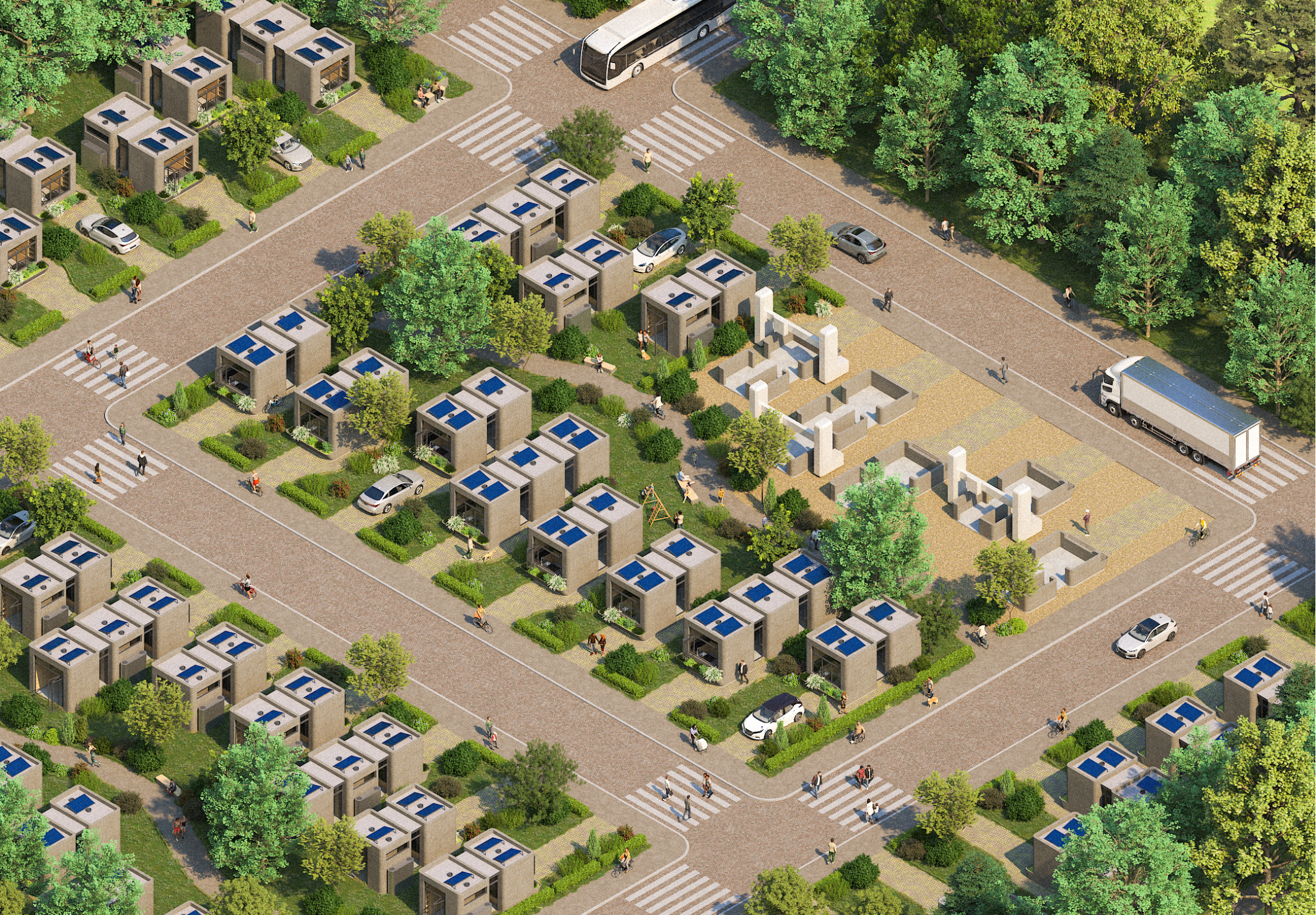
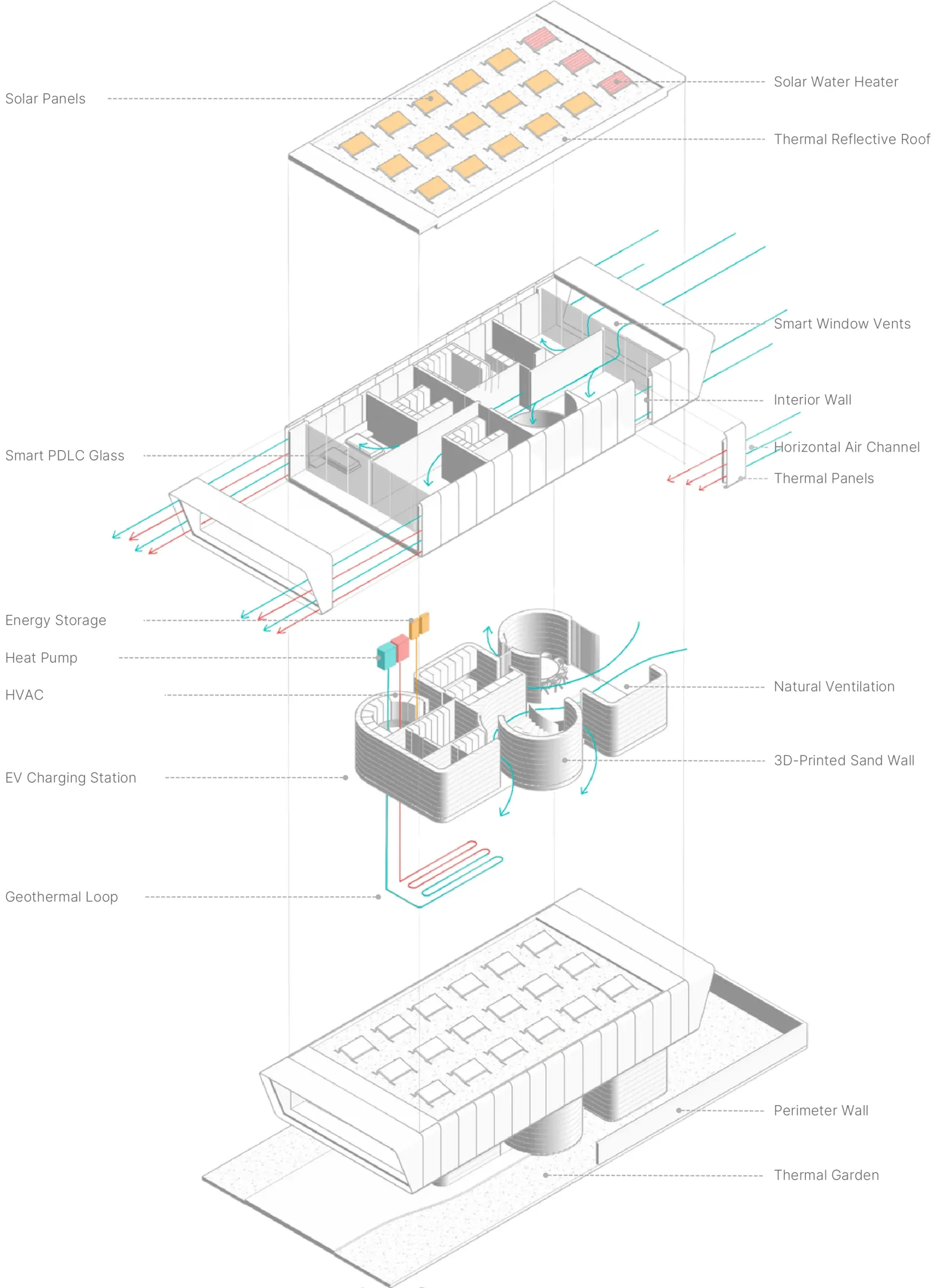
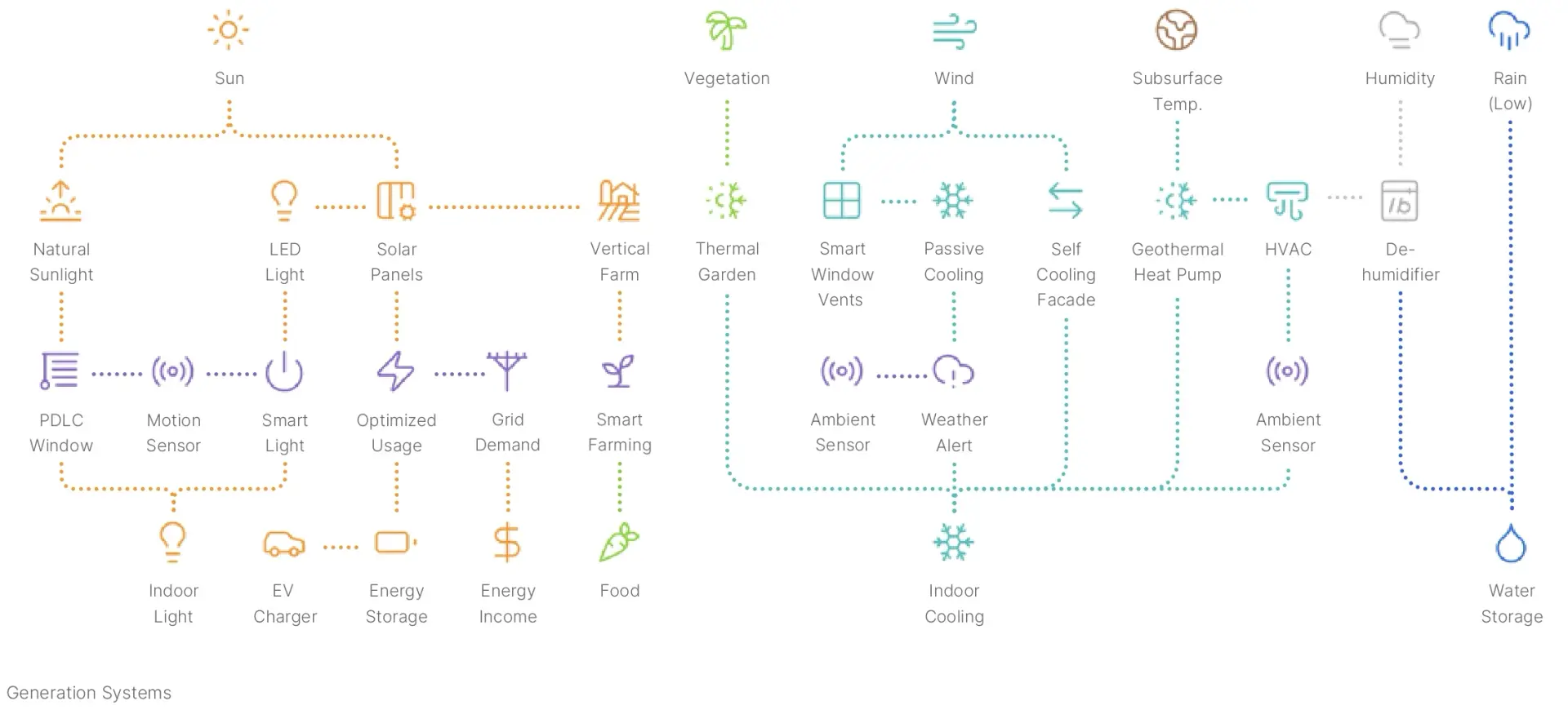
The home harnesses local environmental resources to power and cool itself efficiently. Solar panels capture the UAE's abundant sunlight to generate clean electricity, storing excess energy in batteries or selling it back to the grid.
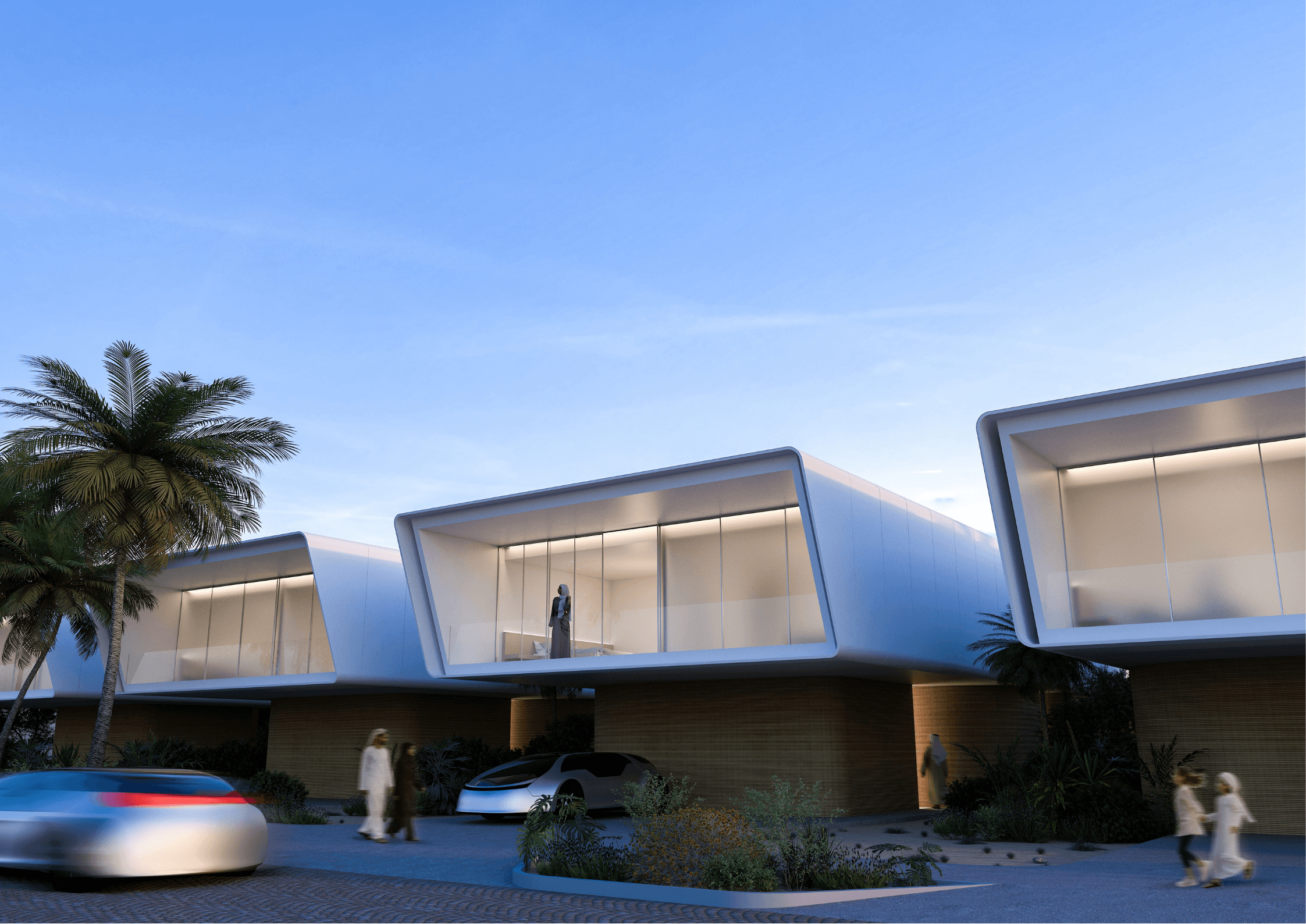
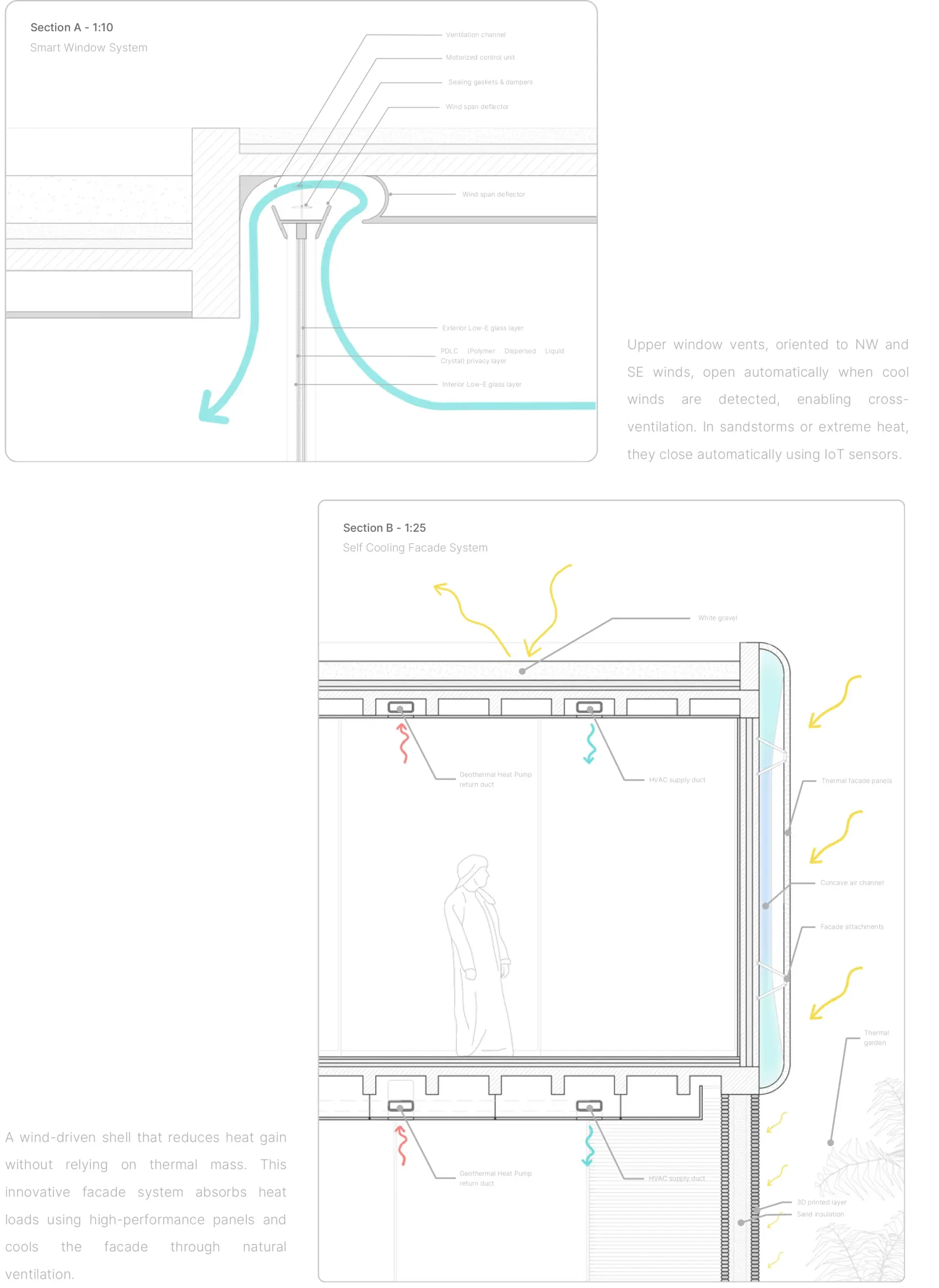
A hybrid cooling strategy combines passive design, a self-cooling facade, and smart window vents to reduce heat before it enters the home and optimize airflow throughout the day. Meanwhile, a geothermal heat pump works with the HVAC system to maintain comfort, significantly reducing cooling demand in extreme desert conditions.
Water and waste
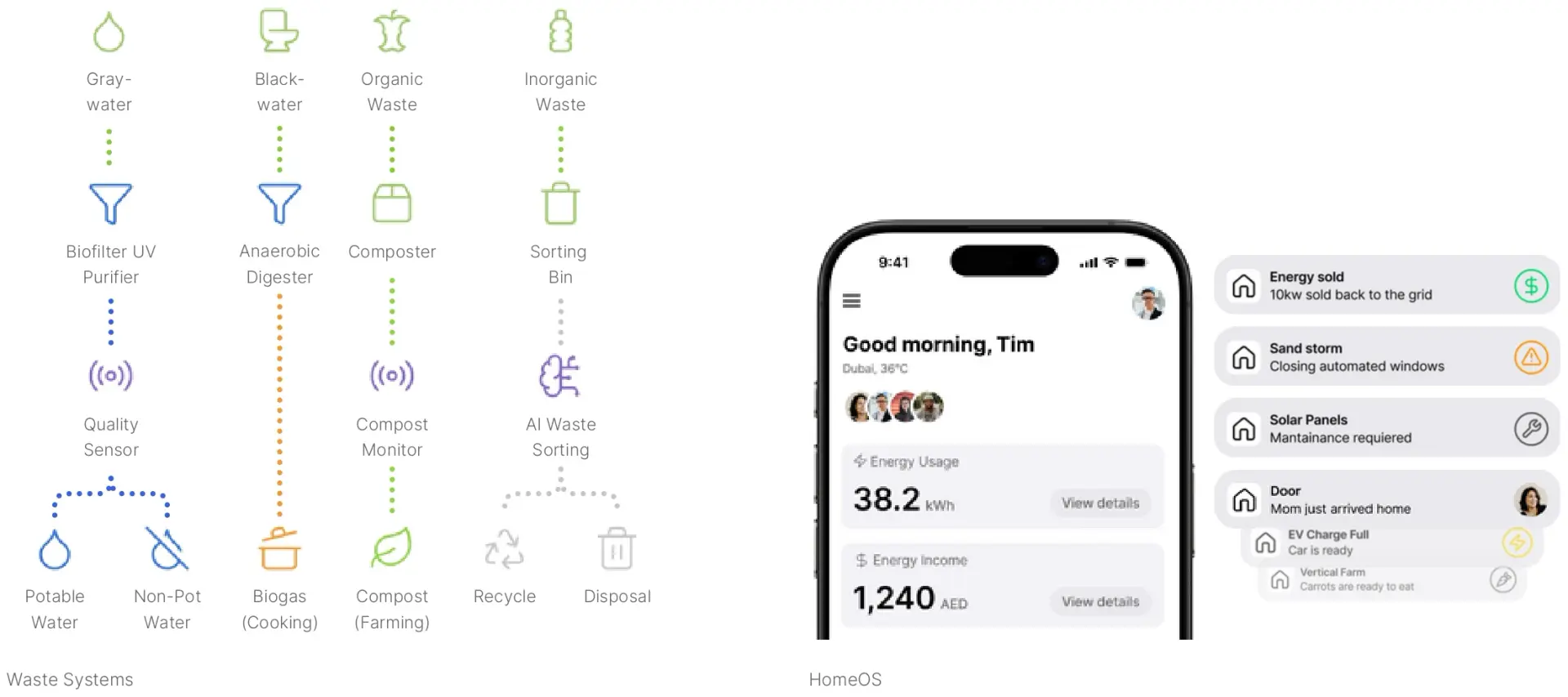
Water and organic waste became part of the system as well. Graywater filters, composting, and biogas systems turn waste into resources for irrigation, farming, and energy. This reduces demand on municipal networks and closes the loop for a sustainable household ecosystem.
HomeOS
To connect everything together, I imagined HomeOS, an AI-driven platform that connects all systems — energy, cooling, water, and waste. It monitors conditions and user behavior in real time, automates adjustments, predicts maintenance, and gives residents full control from any device.
Construction
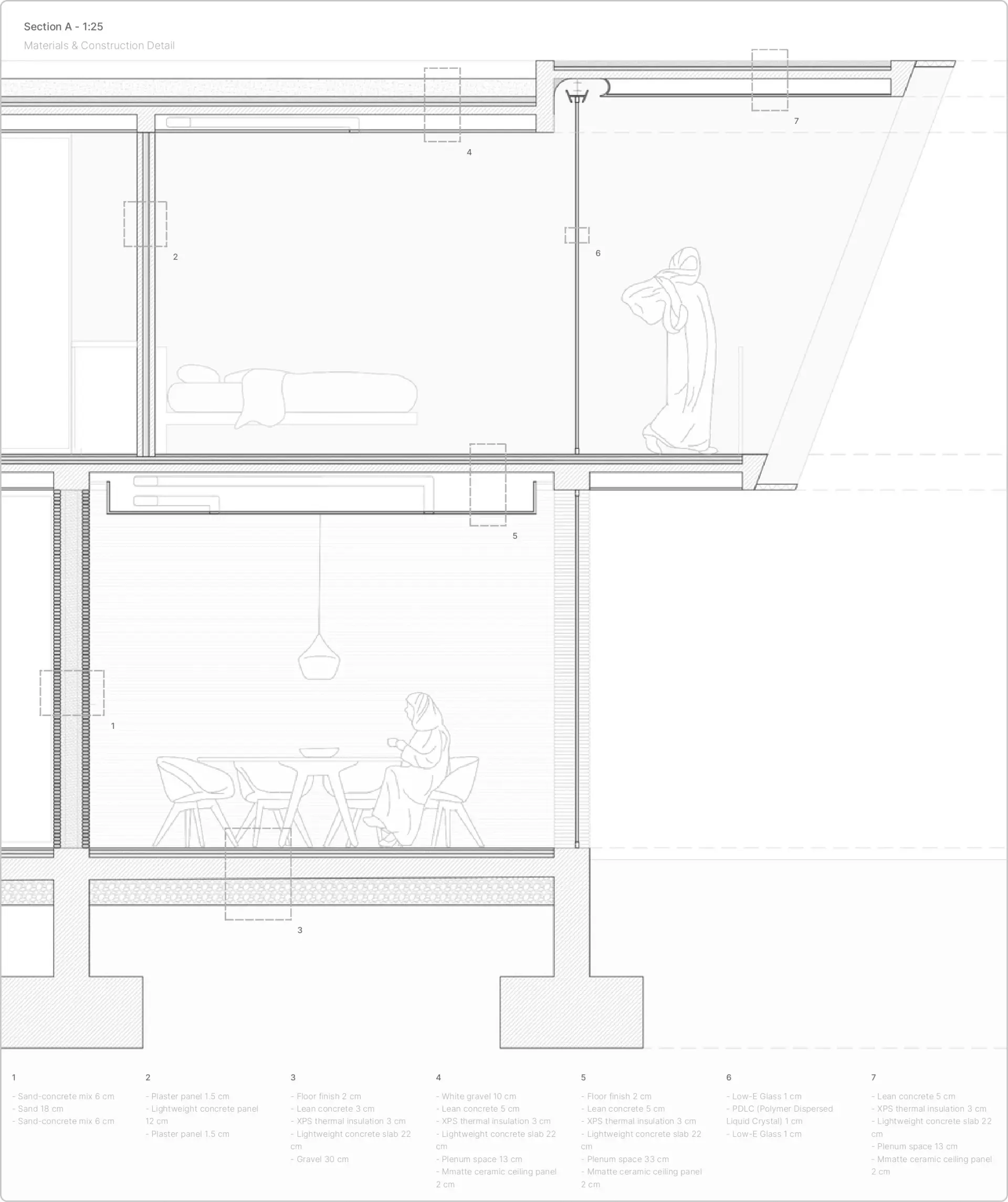
Finally, I explored a hybrid building approach that combines prefabrication with automated 3D printing to simplify construction and make the entire system easier to build.
 More than anything, this project taught me to think about buildings as connected systems rather than collections of independent technologies.