
IDEA
How Can Oceans Become the Next Frontier for Human Settlement?
Building scalable, adaptive cities for a changing world.
Santiago Padilla15 Jul 20242 min read
After spending several years building software, I decided to take a new career path where I found most of my interest. For many years, the idea of the cities of the future remained in my mind, and I thought of this as a great opportunity to propose a new idea of how to build better cities.
I don't believe there's a challenge anywhere in the world that's more important to people everywhere than finding solutions to the problems of our cities. — Walt Disney
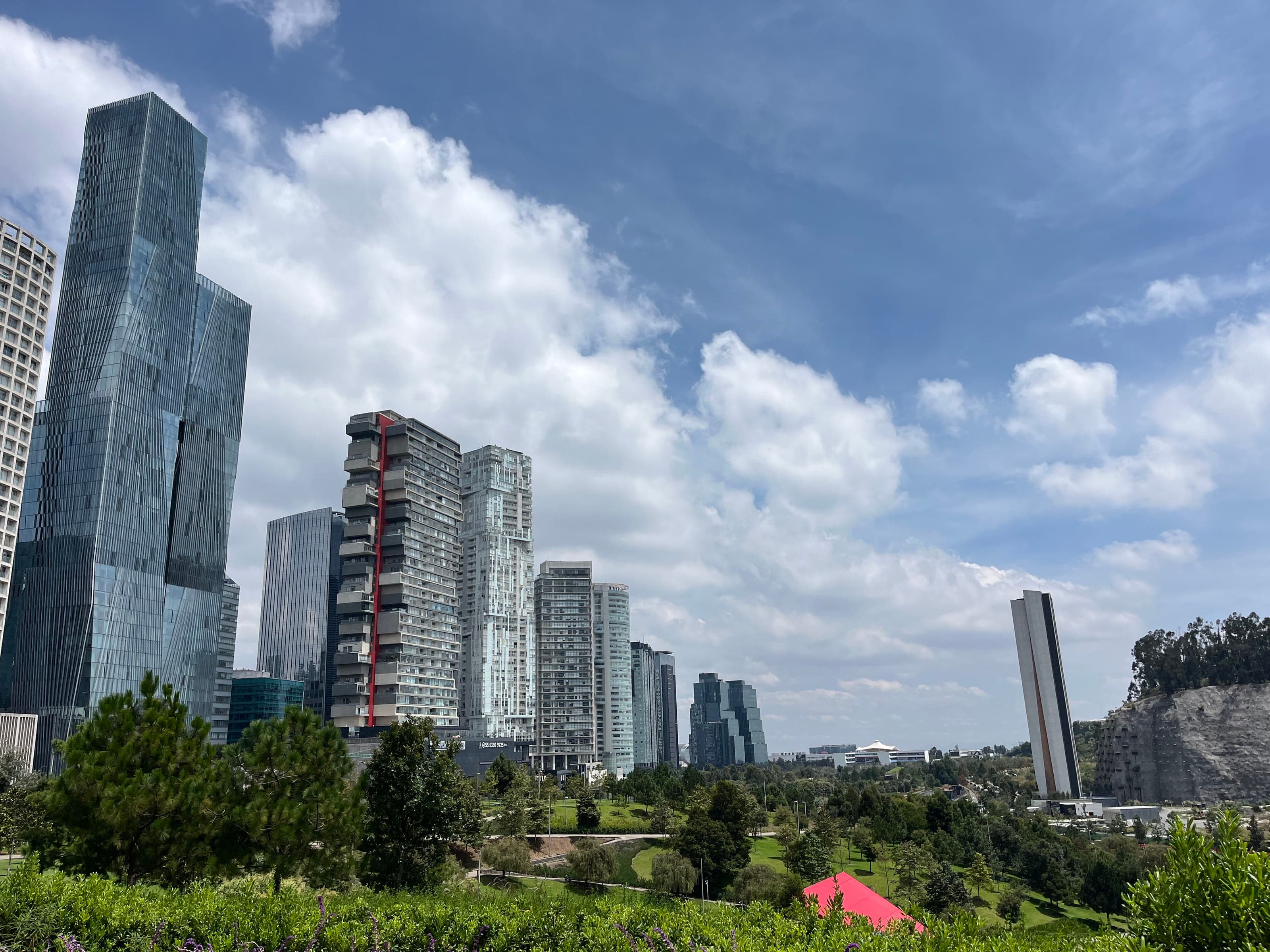
Cities are the heart of human progress — driving economies, connecting millions, and serving as hubs of innovation and creativity. They are where ideas scale and societies advance. To sustain this role, cities must evolve alongside technology and culture.
I started reading about how cities evolved — from the agricultural revolution to the industrial revolution — and why so many of the world's most important cities developed along coastlines. The more I learned, the more I realized that many of today's urban systems were designed for a very different world.
Since the Industrial Revolution, cities have been designed around the needs of industry — not people. They rely on rigid, outdated infrastructure that cannot adapt to rapid changes in technology, culture, and the environment. Most urban infrastructure is fixed in place, expensive to upgrade, and vulnerable to environmental shocks.
Instead of seeing a city as something permanent, I began wondering what it would look like if it behaved more like a living system — able to grow, adapt, and reorganize itself over time.
That led me to explore modular infrastructure.
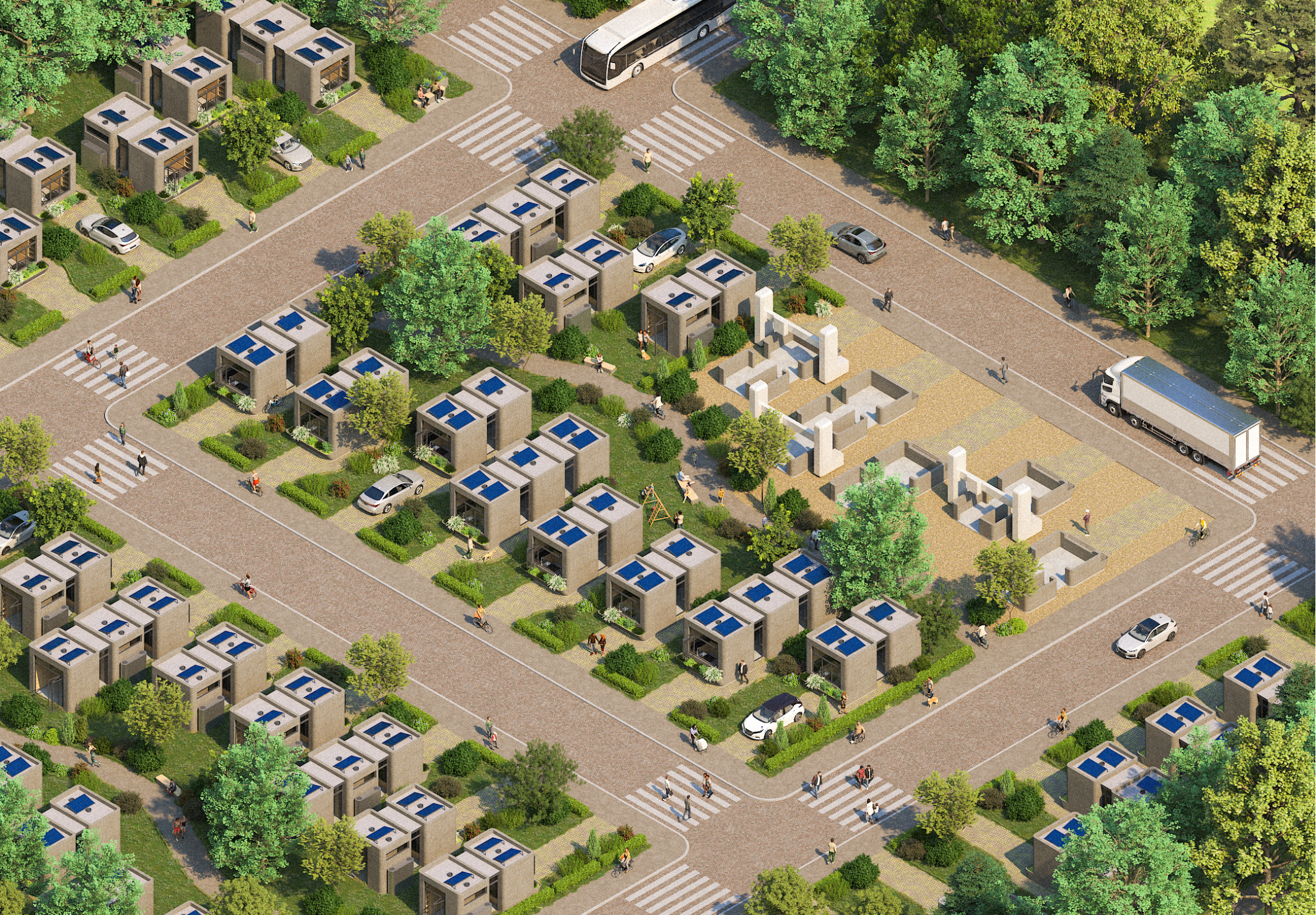
Rather than building one fixed city, I imagined a city assembled from components that could connect, expand, and evolve as needs changed. The same building blocks could support transportation, utilities, public spaces, housing, and future technologies without requiring the entire city to be rebuilt.
The oceans became the frontier to explore this idea. Throughout history, coastal cities have driven trade, innovation, and economic growth. As existing cities become more constrained and coastlines continue to change, I began exploring whether the ocean could become humanity's next frontier for urban development.
Dynamic City
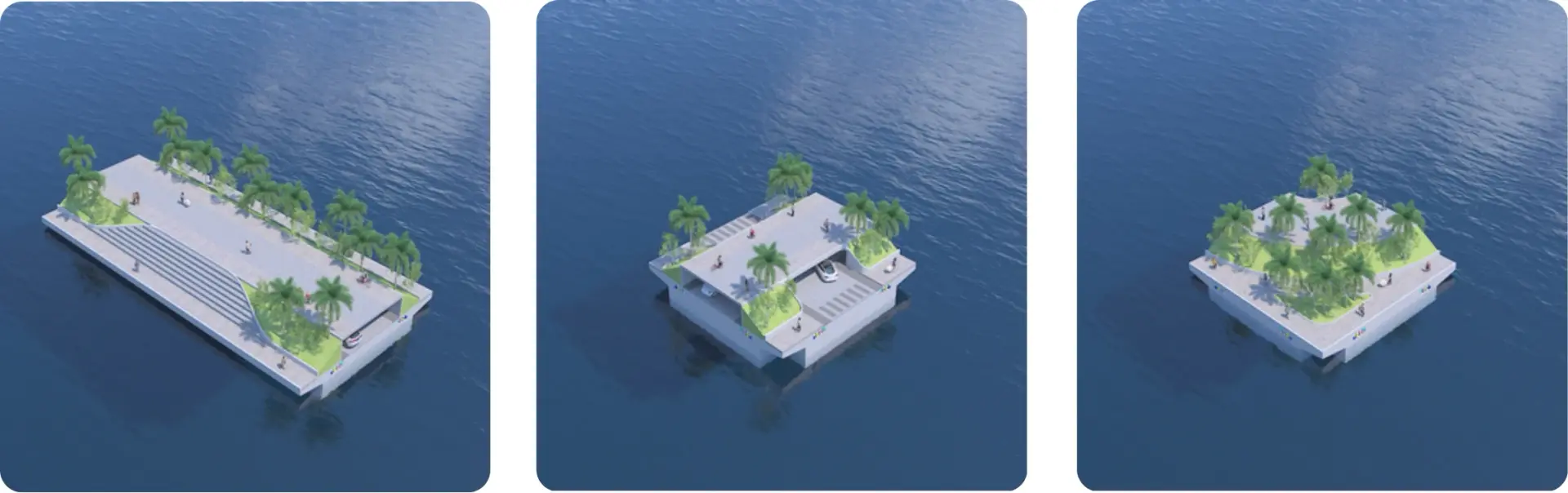
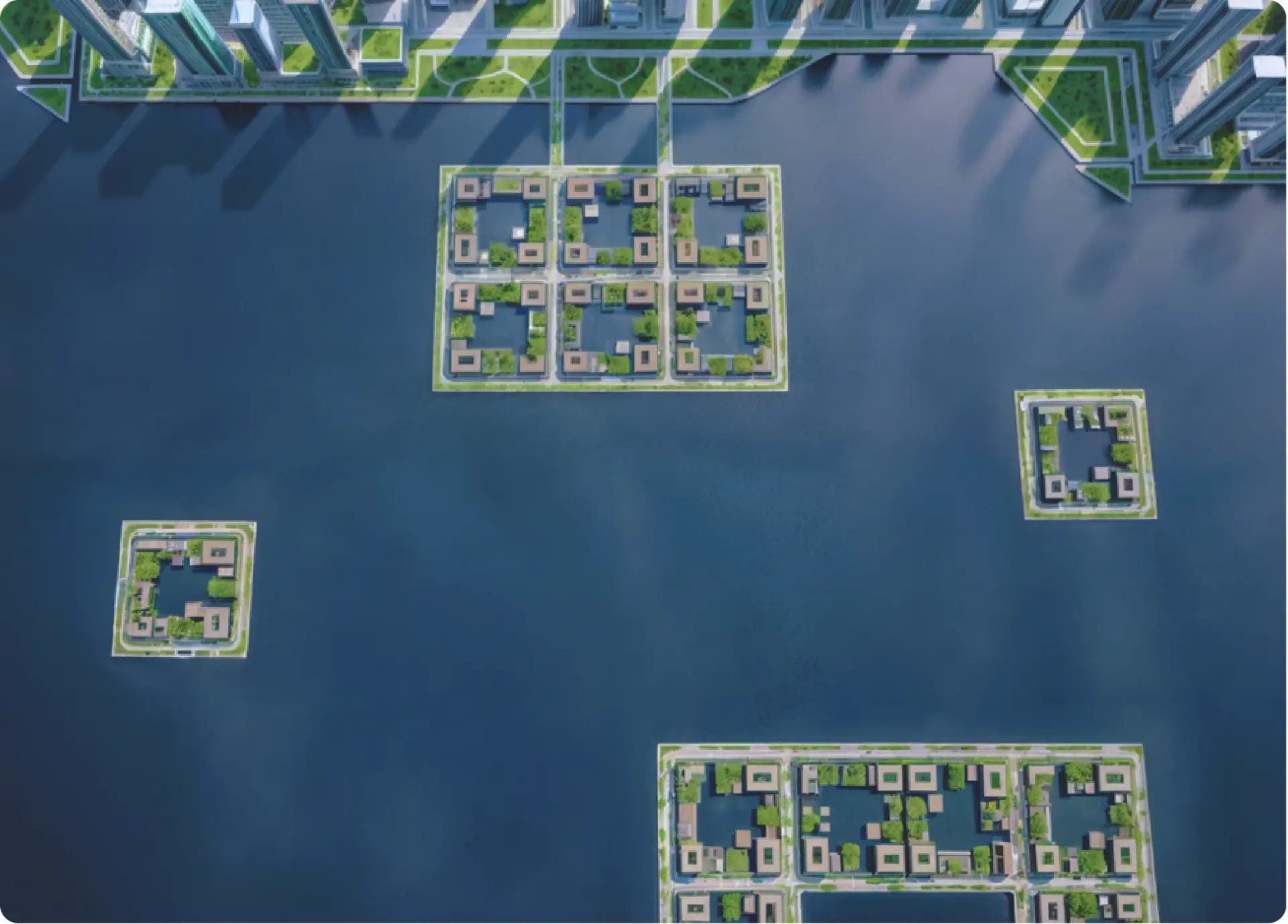
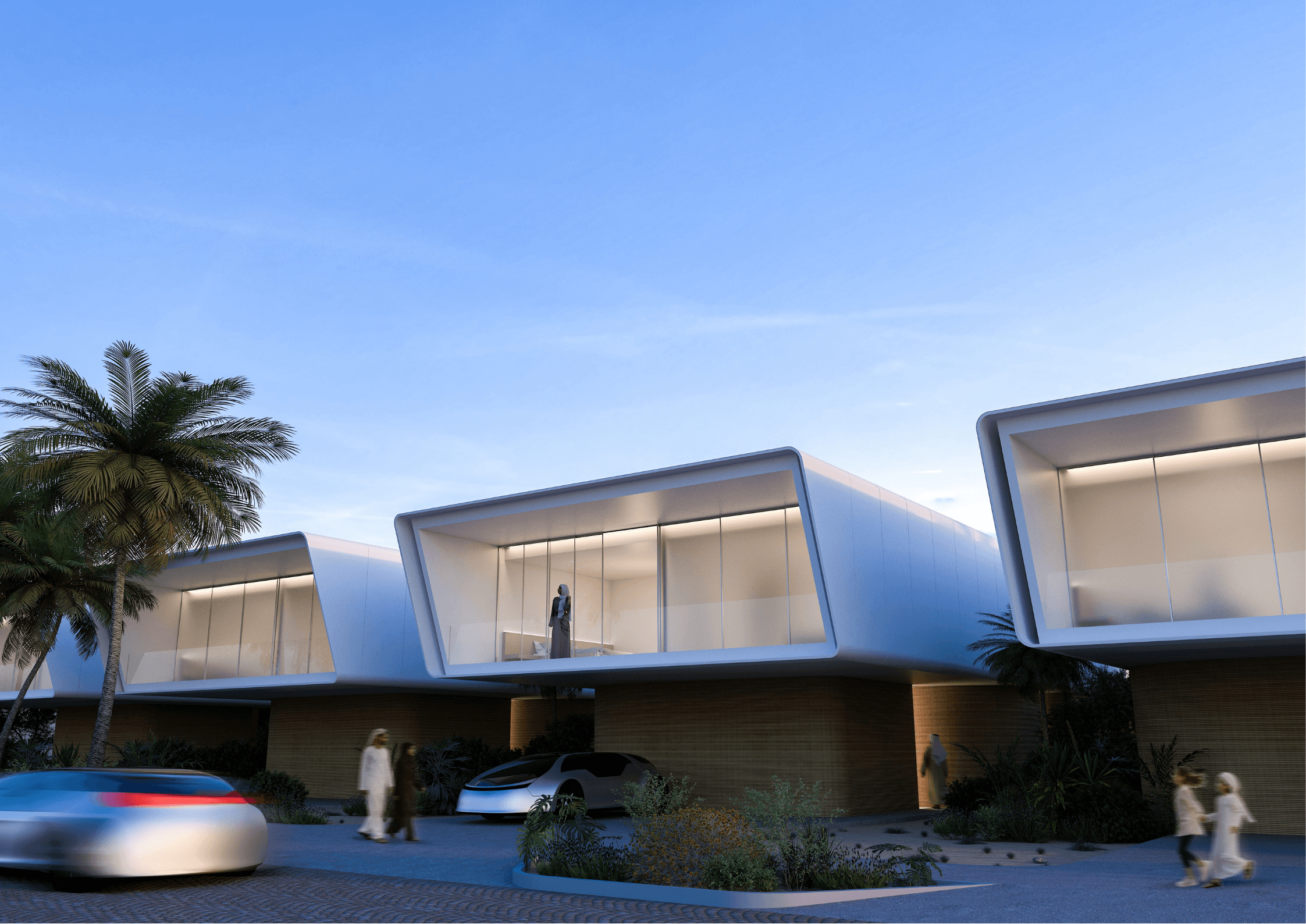
Dynamic City envisions a new model for urban growth — modular infrastructure.
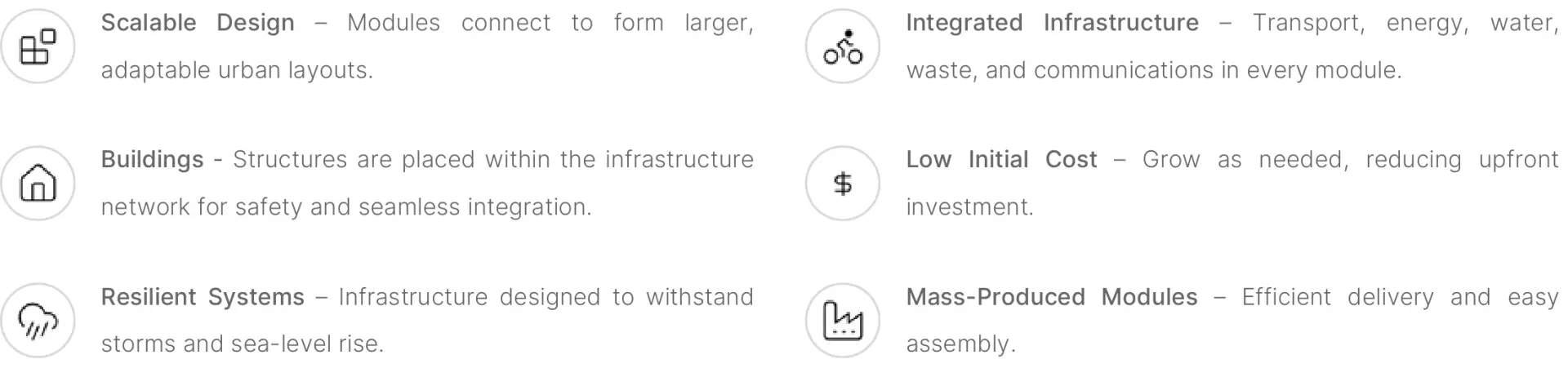 By leveraging modular infrastructure as building blocks for transport, energy, water, and communications, we can create floating urban systems that grow, adapt, and keep changing for many generations.